Let It Glow! Let It Glow! Let It Glow!
It’s party season, Everyone! For this post, I will share how to unlock your skin’s optimum health for radiant, healthy skin throughout the holidays.
Eating for Glowing Skin
You may want the Eat Burn Sleep ‘glow,’ or you could have a condition that presents itself through skin inflammation.
Like acne, eczema, or psoriasis, or a condition you wouldn’t associate with skin disorders, like Crohn’s, Colitis, PCOS, endometriosis, obesity, and diabetes, for instance.
You don’t need to spend a fortune to have peak skin health (and put your chronic inflammatory disease into remission).
Incorporating changes now will ensure that your skin has a better chance of being party season-ready this holiday and glowing throughout the year.
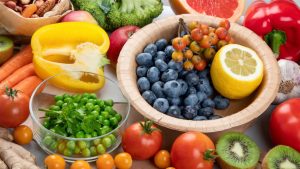
Follow an Anti-Inflammatory Lifestyle
There’s a direct link between skin health and lifestyle. What we eat and how we live can either protect and rejuvenate our skin or accelerate damage and early ageing.
Choose anti-inflammatory foods rich in skin-loving nutrients like polyphenols, essential fats, antioxidants, collagen, vitamins, minerals, and fibre. By nourishing your gut, you reduce unhealthy bacteria and inflammation throughout the body, including the skin.
A nutrient-dense, anti-inflammatory diet helps feed, repair, and protect your skin, reduce flare-ups, and even put chronic inflammatory conditions into remission.
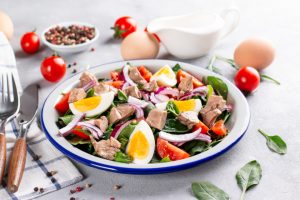
Promote a Healthy Gut Microbiome
Skin homeostasis is directly linked to your gut health. An imbalanced microbiota alters immune responses, which can trigger skin inflammation and disorders such as acne, eczema, psoriasis, and rosacea.
A healthy gut microbiome equals calmer, clearer skin.
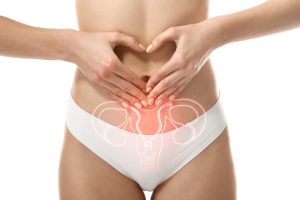
Treat Chronic Inflammatory and Hormonal Conditions
Conditions like Crohn’s, colitis, PCOS, endometriosis, obesity, and diabetes often manifest through skin inflammation.
When you treat inflammation at the source, the skin reflects this healing. An anti-inflammatory lifestyle supports remission and restores balance from within.
Avoid Deprivation Diets and Unhealthy Eating
Restrictive, nutrient-poor, or high-fat diets can disrupt the skin’s lipid balance, increase oxidative stress, and fuel inflammation.
Essential nutrients like vitamin C and healthy fats are vital for elasticity, wound healing, and barrier protection. Remember: healthy skin thrives on nourishment, not deprivation.

Check the Ingredients in Your Food
Additives, excess salt, trans fats, and sugar all drive inflammation, accelerate ageing, and damage collagen and elastin.
They can cause acne, puffiness, swelling, water retention, and wrinkles.
Cook and Choose Food Carefully
Highly processed or over-heated foods can oxidise fats and trigger inflammatory responses.
Choose fresh, whole ingredients and gentle cooking methods to support both digestion and skin clarity.
Check out these articles: Why Aspartame is Linked to Cancer, Reduce PCOS & Belly Fat, & Why You Have Psoriasis.

Drinks and Skin
Stay Hydrated
Water is essential for every cell and tissue in the body, about 60% of adult body composition.
Hydration supports liver function and flushes toxins, helping your skin stay clear and plump.
Water deficiency is linked to inflammation, ageing, and tissue dehydration.
Limit Alcohol
Alcohol dehydrates, weakens the skin barrier, alters lipid composition, and taxes the liver — leading to dullness, wrinkles, and broken capillaries.
It also depletes key nutrients like vitamin A, crucial for skin renewal.
Enjoy in moderation and rehydrate well.
You may be interested in these articles: Best Alcohol For Diabetes Sufferers, How to Avoid a Hangover & How to Deal With a Hangover.
For concerns about coffee: Fancy a Cup of Coffee?

Skincare Routine for Glowing Skin
Have a Consistent Skincare Routine
- Cleanse, tone, moisturise, and treat dry areas regularly.
- Saunas and gentle exfoliation can help unclog pores and remove dead skin cells.
- Try My Wake-Up Makeup Guide for my go-to routine.
- Use Products Suited to You
Choose products free from potential irritants as some emollients and fragrances can cause inflammation. Always check ingredients carefully.
Protect Against External Factors
Use sunscreen daily, even on cloudy days.
Members can access my Skincare Guide in the EBS platform.
You can also browse Yalda Loves for recommended products.
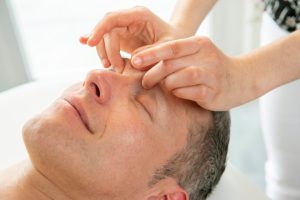
Massage Your Skin – Facial massage promotes lymphatic drainage, reduces puffiness, boosts circulation, and releases tension. It also stimulates oxytocin — the “feel-good hormone” that contributes to glowing, youthful skin.
What Shouldn’t You Do to Have Glowing Skin?
Avoid Smoking
Smoking accelerates ageing, damages collagen, increases acne and eczema risk, and contributes to pigmentation and premature wrinkles.
Limit Alcohol
See above – overconsumption leads to dehydration and redness.
Don’t Eat Nutrient-Poor or Processed Foods
Low-nutrient, high-fat, or extreme diets deplete essential vitamins and disrupt the gut–skin connection.
Don’t Get Dehydrated
Hydration is key to skin elasticity and toxin elimination.
Prioritise Sleep
Sleep deprivation reduces collagen production, weakens elasticity, and causes dullness and sagging.
About 75% of human growth hormone (HGH), crucial for repair and regeneration, is produced during deep sleep.
Don’t Rely on Supplements Alone
No supplement can replace balanced nutrition.
Good skin starts with good food.
You may be interested in the article: Why I Use Collagen.

Exercise and Skin
Choose Anti-Inflammatory Movement
Gentle, restorative exercise — like those on the EBS platform — improves blood flow and oxygenation, delivering nutrients to skin cells while flushing away toxins.
Walk Often
Walking increases circulation, reduces cortisol, and enhances skin vitality.
Read more: 10 Reasons to Walk.
Stretch Your Fascia
Releasing tension in facial and body fascia reduces stored stress and softens expression lines, promoting a smoother complexion.
Read more: Stretch Your Fascia.

More Tips for Glowing Skin
Detox Your Liver
An overloaded liver often reveals itself through dull or inflamed skin. Members can access the Liver Detox Expert Advice.
Balance Hormones
Hormones influence collagen, elasticity, and oil production.
Following an anti-inflammatory lifestyle helps regulate hormones naturally, keeping your skin balanced and healthy.
Keep Stress Levels Down
Cortisol triggers oil production, breakouts, and inflammation.
Chronic stress also accelerates ageing and DNA damage.
Calm mind = calm skin.
Get Plenty of Fresh Air
Fresh, clean air supports oxygen flow and detoxification.
Pollution, by contrast, contributes to oxidative stress and premature ageing.
Socialise, Snuggle, and Laugh
Social connection and affection boost oxytocin, the “love hormone” that enhances skin healing and radiance while protecting against intrinsic ageing.
When your gut, hormones, and emotional health are balanced, it shows on your face.

Oxytocin promotes skin healing and gives you a radiant complexion. It doesn’t stop there because oxytocin protects against intrinsic skin aging, which is skin aging due to internal natural factors within the body, due to hormones, endocrine metabolism, and genetics, for instance.
If you are an EBS member, the bonus is that oxytocin production occurs with a balanced gut through an anti-inflammatory lifestyle.
Follow an anti-inflammatory lifestyle with all the advice, guidance, tips, hacks, and recipes, and you will soon have everything you need for beautiful-looking skin that reflects how you feel inside.
It’s a beautiful cycle. Replenish, rejuvenate, and reward.
Join (or gift) the skin-loving Eat Burn Sleep lifestyle and let it glow!
Of course, I wish you a fun-filled party time and hope you have a super day today!